
How Often Does a Septic Tank Need Cleaning?
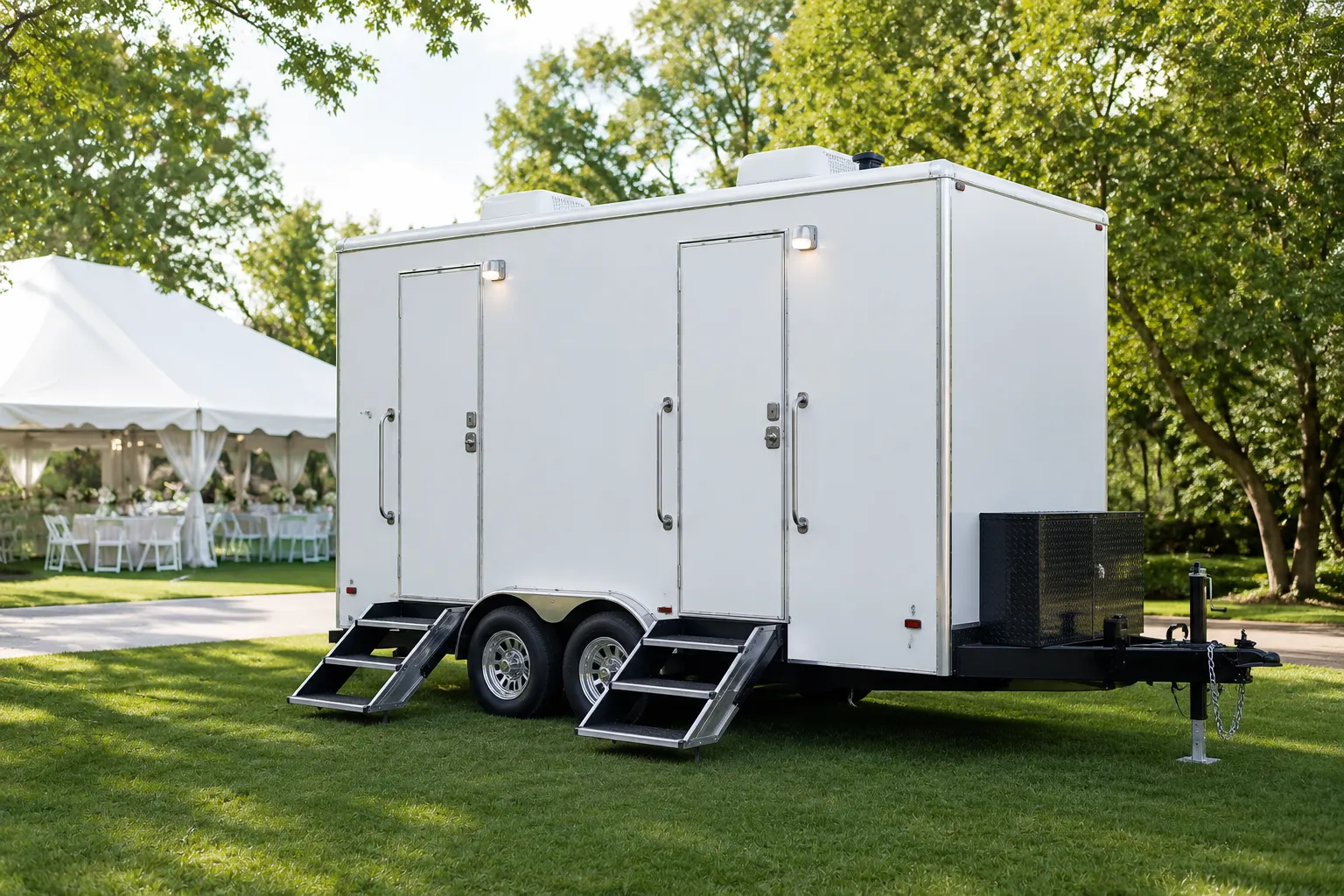
Three to five years is the range that holds up across most households, and it comes down to two things: how big the tank is and how many people are flushing into it every day. A larger household pushes more solids through faster, which shortens the interval, similar to how how often to pump a septic tank guidance frames it for other property types. A smaller household, or a property used part-time, can sometimes stretch toward the five-year end. If you're not sure which end you're on, septic tank pumping cost breaks down what a service call runs, and septic tank cleaning covers what actually happens during the visit, while porta potty rental in Hoboken can cover sanitation needs on the same property if the system is offline. Hoboken's older housing stock means a lot of tanks were installed decades ago under different code assumptions, so guessing at capacity is risky. If your property still relies on a septic system rather than municipal sewer, get the tank measured and logged rather than working off a neighbor's schedule. A crew that pumps for a living can tell you in five minutes whether you're closer to year three or year five, and that's worth more than any generic rule, the same way septic tank warning signs beats guessing from a neighbor's schedule. For anything commercial nearby, septic pumping service covers larger tanks and different frequency math entirely.
What Signs Mean I Need Pumping Sooner?
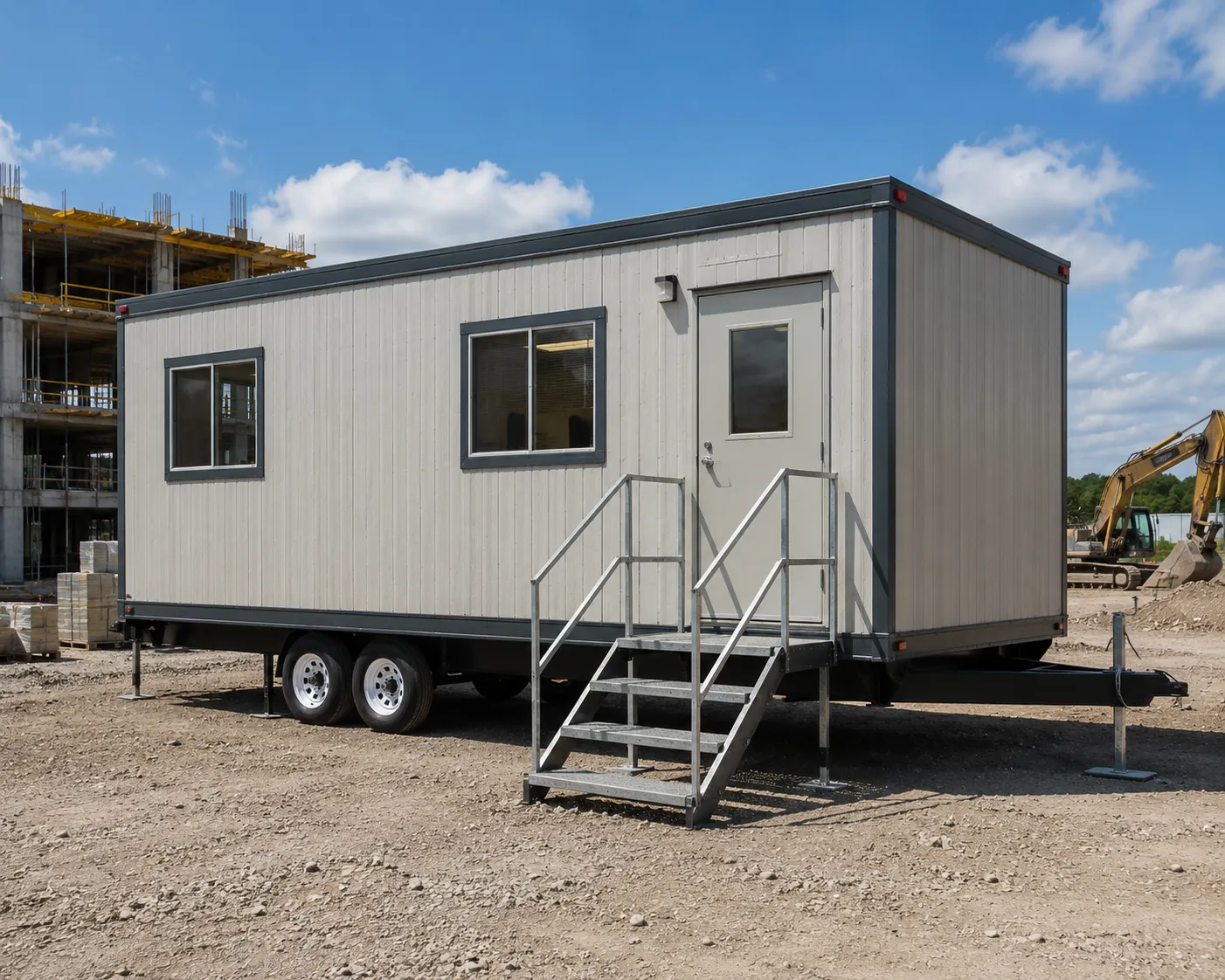
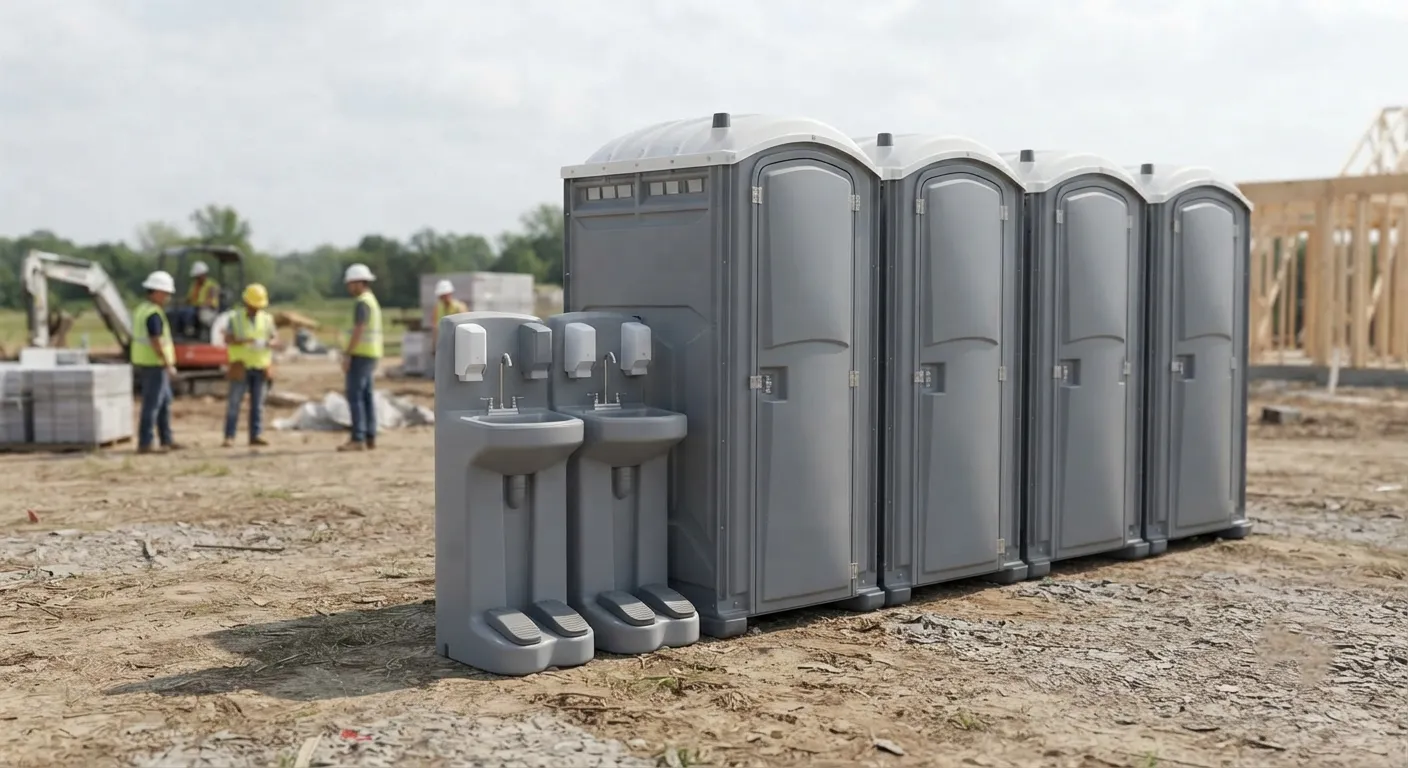
Slow drains, gurgling pipes, and standing water near the tank area are the classic signs the interval has run out early, the kind of thing emergency porta potty rental customers also ask about when a job site restroom backs up unexpectedly. Sewage odor indoors or a suspiciously green, soggy patch of lawn over the tank both point the same direction. Septic tank warning signs walks through the full list in more detail, but the short version is: don't wait for a backup to call. If you're running a restaurant or food service anywhere near Hoboken, a related but separate issue is grease buildup. A grease interceptor gets pumped once fats, oils, grease and solids reach 25 percent of the liquid depth, which is a completely different clock than a residential tank. That's covered under grease trap pumping if it applies to your property. For sites without any permanent system at all, a holding tank rental or emergency septic service call can bridge the gap while you sort out a long-term fix, and a portable restroom rental does the same job for foot traffic on a work site. Waiting past the warning signs almost always costs more than the pump-out would have.
Why Does Household Size Change the Schedule?
More people means more water, more solids, and less time for the tank to separate everything before it needs emptying. A two-person household and a family of six on the exact same tank size are not on the exact same schedule, even though both fall inside that 3 to 5 year window. Guests, renovations that add bathrooms, or a home office that keeps more people on-site all day can quietly push a tank toward the shorter end without anyone noticing. This matters more in Hoboken than in a lot of towns, because dense housing means smaller lots and, in some cases, older tanks sized for a different era of occupancy, which is also why porta potty placement guide advice matters on tight urban lots. If you're renovating and adding fixtures, it's worth checking the tank capacity against your new headcount rather than assuming the old schedule still applies. Home renovation porta potty service is a common workaround while systems are inaccessible during work, and how often are porta potties cleaned explains the servicing rhythm on rental units if you're running both a job site and a household through construction at once, and construction site services covers the rest of what a renovation job typically needs.
Should I Get the Tank Inspected Before Pumping?
Yes, an inspection before pumping tells you what's really going on instead of just resetting the clock blind. A tech can check baffles, look for cracks, and confirm the tank is even the right size for the household using it, the same due diligence covered in porta potty rental checklist for rental equipment. This is especially worth doing on any Hoboken property where the septic history isn't well documented, which is common with older multi-family conversions. Pumping without inspecting means you might miss a structural problem that will just refill the tank faster next time, much like skipping the guidance in OSHA portable toilet requirements can leave a job site out of compliance without anyone noticing. It's a short add-on to any scheduled visit and it's the kind of thing that saves a second emergency call. If your property sits close to a commercial corridor or handles higher traffic, comparing notes with a nearby town helps set expectations. Weehawken sits 2.4 miles north of Hoboken, covered at porta potty rental in Weehawken, NJ, and Secaucus is 4.9 miles northwest, covered at porta potty rental in Secaucus, NJ, both areas where Hoboken Porta Pros services similar mixed residential and commercial septic setups. Kearny, 7.0 miles west and served at porta potty rental in Kearny, NJ, and Lyndhurst, 10.1 miles northwest and served at porta potty rental in Lyndhurst, NJ, round out the towns where the same 3 to 5 year guidance generally applies, adjusted for tank size and household load on each property, and the full coverage map sits at service areas in Hoboken, NJ.
How do I know my tank size?
Check your original permit paperwork or ask the last company that pumped it. If neither exists, a technician can measure it on the first visit. Tank size directly drives your interval, so this is the first thing worth confirming before guessing at a schedule.
Can I extend the interval with less water use?
Somewhat. Cutting water use eases the load, but it won't turn a 3-year tank into a 5-year one by itself. Solids still accumulate regardless of water volume, so pumping is still driven mostly by tank size and household size together.
What happens if I skip a pumping cycle?
Solids build past the point the tank can hold, and they start backing into drain lines or surfacing in the yard. That's the point where a routine service call turns into an emergency one, usually at a higher cost and on a tighter timeline.
Does a garbage disposal change the schedule?
Yes, disposals add more solid waste into the tank, which can shorten the pumping interval. Households with heavy disposal use often land closer to the 3-year end of the range instead of the 5-year end.
Who do I call for holding tanks during septic work?
Hoboken Porta Pros handles holding tank rental for exactly this gap, plus emergency septic service if the system fails before a scheduled pump-out. Both keep a property functional while the real fix gets scheduled.
Next step
Get a delivery date
Tell us the address, the dates and the headcount. We size the order and confirm the route.